



Agartala | October 18, 2026
Tripura’s hard-won peace process with the National Liberation Front of Tripura (NLFT) and the All Tripura Tiger Force (ATTF) is facing fresh tension over the implementation of rehabilitation commitments made under the 2024 peace agreement.
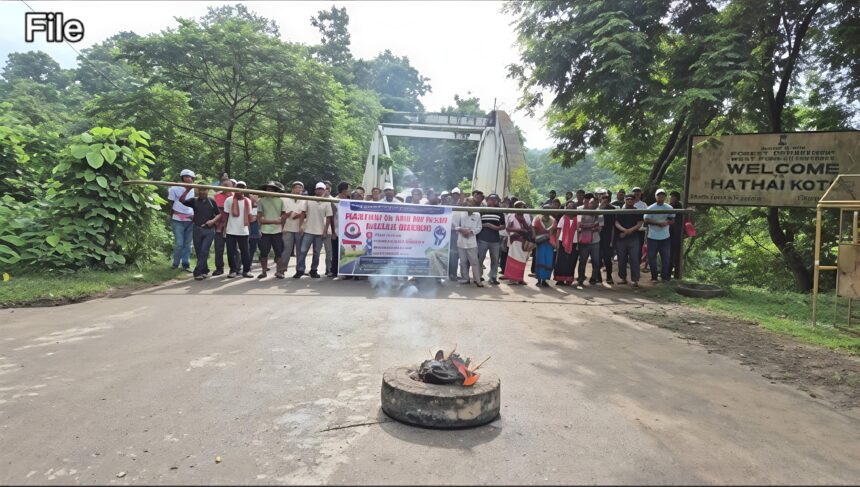
The latest incident occurred on October 17, when around 16 surrendered NLFT and ATTF cadres gathered at Hataikator in West Tripura and blocked a section of National Highway-8. The protesters were demanding the implementation of rehabilitation measures promised to surrendered militants under the peace settlement.
Police intervened to clear the highway after the protesters allegedly refused repeated requests to withdraw the blockade. A confrontation followed, during which two police personnel were reportedly injured. Six former militants were subsequently arrested and sent to judicial custody until October 31.
The incident is significant because those involved are surrendered cadres who had already abandoned armed insurgency and entered the mainstream. The immediate dispute, therefore, is not about the revival of an armed insurgency but about the implementation of the rehabilitation package promised under the peace agreement.
The 2024 Peace Agreement
On September 4, 2024, the Government of India, the Tripura government, NLFT and ATTF signed a Memorandum of Settlement in New Delhi.
Under the agreement, the insurgent groups committed to abandoning violence, surrendering their weapons and ammunition, disbanding their armed structures and joining the democratic mainstream. The Centre also approved a ₹250-crore special package for rehabilitation and development.
The agreement was followed by a major surrender ceremony in Tripura. A total of 584 members of NLFT and ATTF surrendered their arms, marking a major step towards ending decades of insurgency in the state.
Rehabilitation Becomes the New Flashpoint
Despite the surrender, dissatisfaction among former cadres has continued.
Surrendered militants have repeatedly alleged delays in the implementation of rehabilitation measures and other commitments under the peace accord. They have demanded that the government fulfil promises relating to financial assistance, livelihood opportunities and rehabilitation.
The issue has led to several protests and threats of road and railway blockades during 2026. Government representatives have held discussions with the former militants and assured them that their grievances would be examined, but the latest blockade indicates that significant differences remain.
Why the Latest Incident Matters
The October 17 confrontation presents a difficult challenge for the Tripura government.
For the former militants, fulfilment of rehabilitation promises is an important part of the bargain that encouraged them to surrender their weapons and abandon insurgency. Delays or perceived failures in implementation can create frustration and undermine confidence in the peace process.
At the same time, the government has a responsibility to maintain public order. Blocking National Highway-8 can disrupt the movement of passengers, essential commodities and emergency services, particularly during the festive season.
The arrests therefore highlight the delicate balance between addressing the grievances of former insurgents and preventing public disruption.
No Sign of a Return to Armed Insurgency
It is important to distinguish the present situation from the insurgency that affected Tripura for decades.
There is currently no clear indication that NLFT or ATTF has resumed an organised armed campaign. The recent protests have primarily centred on rehabilitation and the implementation of the 2024 settlement.
The present challenge is therefore better understood as a post-conflict rehabilitation dispute rather than a resurgence of armed insurgency.
The Road Ahead
The coming weeks will be important for the peace process. The Centre and the Tripura government will need to address the outstanding grievances of surrendered cadres while ensuring that protests do not escalate into prolonged disruptions.
For the peace agreement to remain credible, the commitments made to those who surrendered their weapons will need to be implemented effectively and transparently.
The latest arrests should therefore be viewed against the larger background of Tripura’s transition from insurgency to peace. The battlefield has largely disappeared, but the difficult process of rehabilitation and reintegration continues.
The central question for Tripura now is not whether NLFT and ATTF will return to armed struggle, but whether the state can successfully complete the rehabilitation process that was at the heart of the 2024 peace agreement.