



AGARTALA: The Tripura Cabinet has approved a 3 percentage-point increase in Dearness Allowance (DA) for state government employees and Dearness Relief (DR) for pensioners and retired employees, taking the total DA/DR rate to 44 per cent.
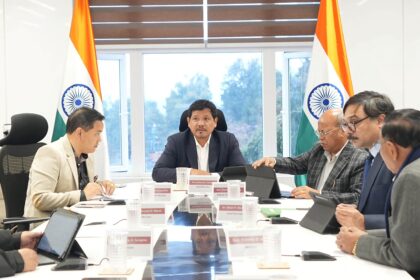
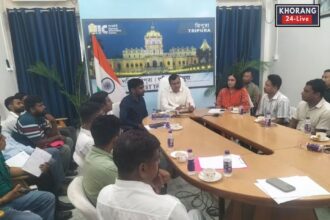
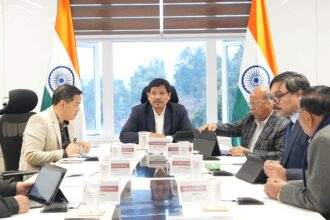
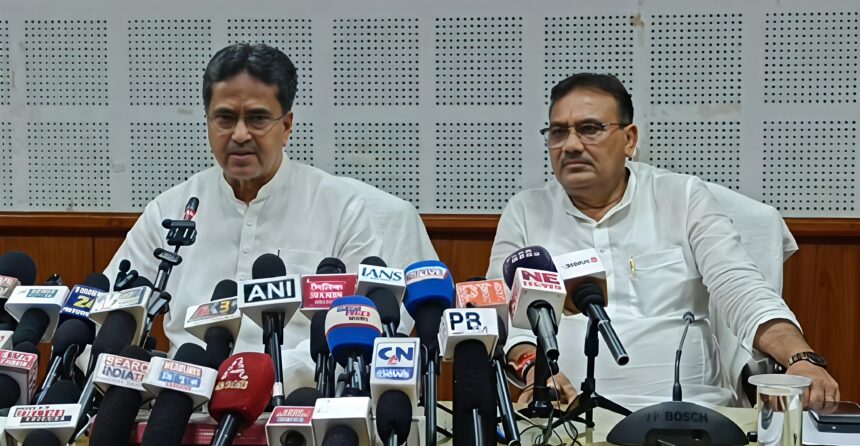
Chief Minister Dr Manik Saha announced the decision on Tuesday, October 6, following the Cabinet meeting at the State Secretariat in Agartala. Finance Minister Pranajit Singha Roy was also present during the announcement.
The revised DA and DR will be effective from October 1, 2026, meaning the increase applies from the beginning of the current month.
According to the Chief Minister, the DA/DR revision will put an additional annual financial burden of around ₹300 crore on the state government. For the current financial year, the additional expenditure is expected to be around ₹125 crore.
HRA ALSO INCREASED
Along with the DA/DR hike, the Cabinet has also approved a revision of the House Rent Allowance (HRA) for regular state government employees.Under the revised arrangement, HRA has been increased from 8 per cent to 10 per cent of basic pay, effective October 1, 2026. The maximum monthly HRA ceiling has also been increased substantially from ₹3,000 to ₹10,000.
The HRA revision is expected to result in an additional annual expenditure of approximately ₹141.96 crore, with the additional burden during the current financial year estimated at around ₹59.15 crore because the revised rate takes effect from October.
DA GAP WITH CENTRAL GOVERNMENT
Dr Manik Saha said the latest increase will reduce the difference between the DA/DR received by Tripura government employees and pensioners and their counterparts under the Central Government to 16 percentage points. He indicated that the government is looking at ways to reduce the gap further.
What this means for employees
For example, if an eligible employee has a basic pay of ₹30,000:
Earlier DA at 41% = ₹12,300
New DA at 44% = ₹13,200
DA increase = ₹900/month
Earlier HRA at 8% = ₹2,400
New HRA at 10% = ₹3,000
HRA increase = ₹600/month
Combined increase in these two components = ₹1,500/month
This example assumes the employee is eligible for the full 10% HRA and that the calculation is based solely on a ₹30,000 basic pay.