



Delhi-level discussions pave the way for renewed consultations on indigenous issues and pending commitments
Agartala: The implementation of the 2024 Tripartite Agreement in Tripura may enter a new phase, with a high-level team from the Union Ministry of Home Affairs (MHA) expected to visit the state next week for discussions with key stakeholders.
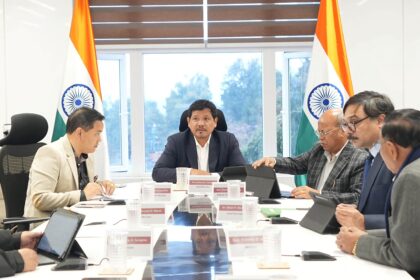
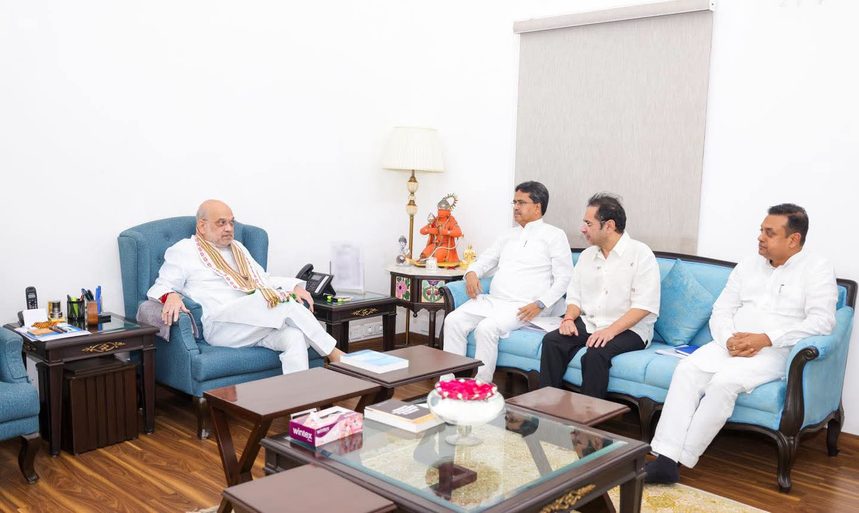
The proposed visit follows recent high-level political engagements in New Delhi involving Union Home Minister Amit Shah, Tripura Chief Minister Dr Manik Saha and TIPRA Motha founder Pradyot Kishore Manikya Debbarma. The discussions have renewed attention on the commitments made under the agreement and the need to move towards their practical implementation.
The March 2024 agreement was signed between the Centre, the Tripura government and TIPRA Motha to address a range of issues concerning the state’s indigenous population. These include matters relating to land, political rights, economic development, identity, culture, language and historical concerns.
Focus shifts towards ground-level action
The expected MHA visit could provide an opportunity to assess the status of various commitments and identify areas where further administrative intervention is required.
A Joint Working Group/Committee was constituted following the agreement to work on mutually agreed issues and facilitate their implementation. The latest move is therefore being seen as an attempt to give fresh momentum to that process.
Land-related concerns are likely to remain particularly important, given their longstanding significance in discussions surrounding the rights and future of Tripura’s indigenous communities.
Stakeholders looking for a clear timeline
One of the major expectations surrounding the latest developments is greater clarity over when specific commitments will be implemented.
While political assurances have been made at different stages, stakeholders have increasingly called for concrete measures, defined responsibilities and a clear timeline.
The proposed consultations could help establish such a framework, although the precise agenda and outcomes of the MHA team’s visit will only become clear once the meetings take place.
Development comes amid changing political equations
The latest development also comes ahead of the ADC Village Committee elections, against the backdrop of growing political coordination between the BJP, TIPRA Motha and IPFT.
The political understanding among the parties has added significance to the implementation issue, particularly because TIPRA Motha has continued to place the interests and constitutional safeguards of Tripura’s indigenous population at the centre of its political agenda.
For the Tripura government and the Centre, effective implementation of the agreement could also help address longstanding concerns and strengthen confidence among stakeholders.
A crucial test for the agreement
The proposed visit will be closely watched because the central issue now is implementation rather than another round of political discussion.
If the consultations produce specific decisions and a practical timeline, they could mark an important step forward for the 2024 agreement.
For Tripura’s indigenous communities, however, the ultimate measure of progress will be what changes are actually delivered on the ground.
The coming weeks could therefore be crucial in determining whether the commitments of 2024 finally begin taking a more tangible form.